
Moving established trees — saving valuable specimens from construction or relocating trees planted in the wrong spot.
One free call connects you with an independent licensed tree pro who covers your ZIP code. The pro provides a free estimate — you decide from there.
(866) 313-3285 · 24/7 for emergencies
Transplanting moves a living root system, and the machine that made it routine is the tree spade — hydraulic blades that cut a cone of soil around the tree and lift it intact into a matching hole. Smaller trees move by hand-dug ball-and-burlap. The biology is a countdown: a moved tree loses most of its fine feeder roots, so success rides on ball size (10–12 inches of ball diameter per inch of trunk caliper), season (dormant moves win), species cooperation (oaks and hickories sulk; maples and lindens tolerate), and two to three years of committed aftercare watering. For high-value trees, root pruning a season ahead pre-builds a dense root ball that dramatically raises the odds.
Dormant season work — late fall through early spring. Root-prune a season ahead for planned moves of valuable trees. Post-move, count on 2–3 years of establishment care.
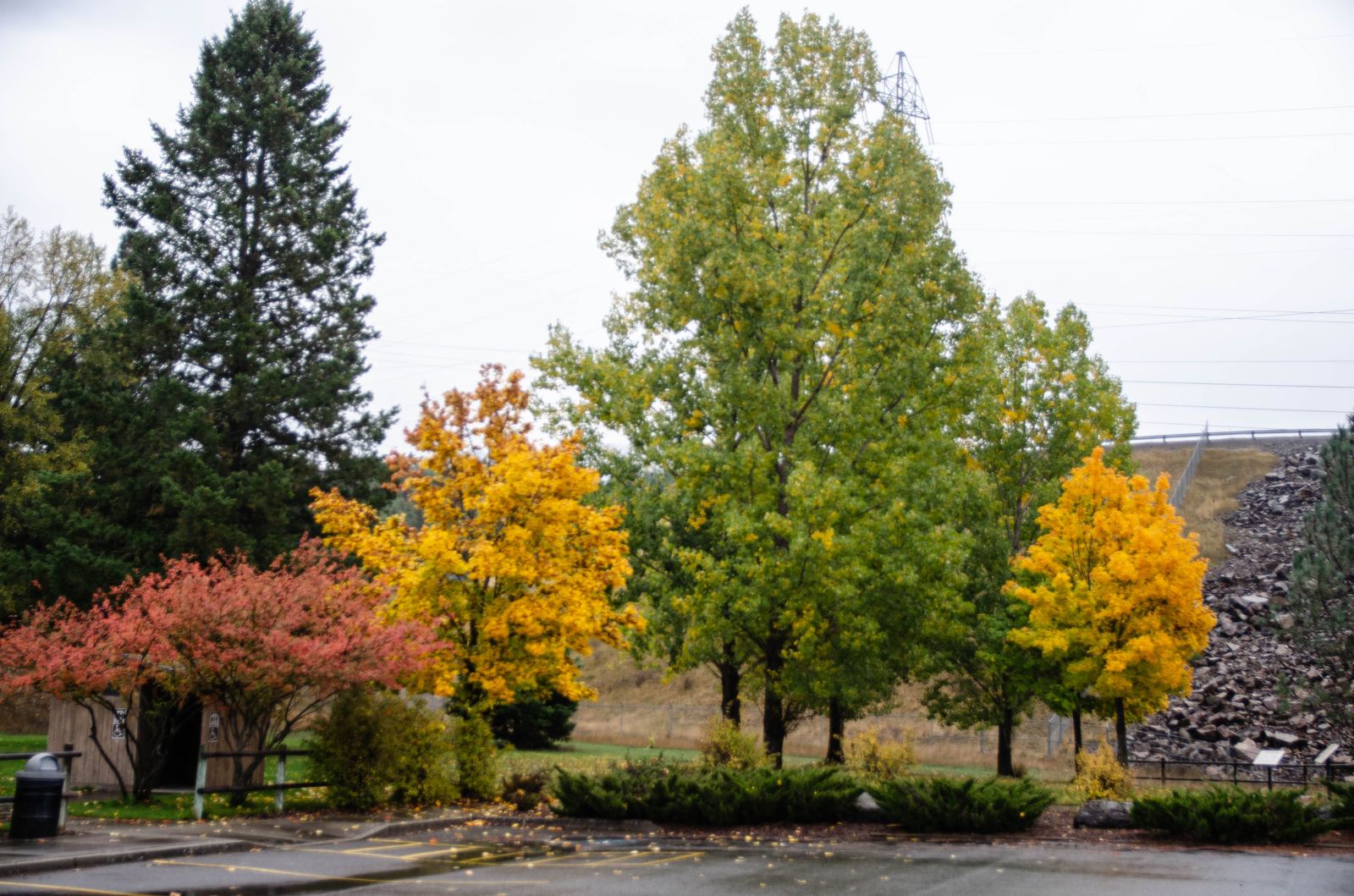
Even textbook moves cost the tree a year of visible struggle — thin canopy, minimal growth — while it rebuilds roots. Owners who panic-fertilize or overwater during shock finish the job the shovel started.
The temptation to move a big tree with a small ball is how transplants die standing. The caliper-to-ball math is non-negotiable biology, not equipment convenience.
A transplant digs two big holes — double the chance to find a gas line the hard way. Locates at both sites, every time.
Call (866) 313-3285 with the tree's trunk diameter and the move distance — TreeCrewFinder refers you free to an independent local pro with the right equipment, from hand-dug ball-and-burlap crews to full tree-spade rigs.
Driven by trunk caliper (which sets the ball and machine size), distance, access at both holes, species difficulty, and aftercare scope. Small ornamentals are affordable moves; mature specimen relocations are serious projects quoted against what the tree is worth to you. Assessment and quote are free.
With big tree spades, trunks over a foot in caliper move successfully — the practical limits are access for the machine and budget. The sweet spot for value is trees from 2 to 8 inches caliper: big enough to matter, young enough to re-establish briskly.
Dormancy, full stop: after leaf drop in fall or before bud break in spring. The tree wakes up already home. Evergreens prefer early fall or early spring edges. Emergency growing-season moves can work with heroic watering, but you're fighting the biology.
Done right — correct ball, dormant season, cooperative species, real aftercare — comfortably better than not. Skip the aftercare watering and odds fall off a cliff in the first summer. The pro can also just tell you when a tree is a poor candidate and replacement makes more sense; that honesty is part of the service.
For any tree you truly care about, yes: cutting a circle through the roots a season early triggers dense fine-root growth inside the future ball, so the tree moves with its lunch packed. It requires planning a move 6–12 months out — worth it for specimen trees.
Water deeply and consistently for two full growing seasons (slow soak, not sprinkle), wide mulch ring, no fertilizer in year one, stake only if it moves in the ground, and expect a quiet first year. The move is one day; the transplant succeeds or fails across the next 24 months.
When the tree is significant — size a nursery can't sell, a species that grows slowly, or meaning money can't buy — moving wins decisively. For a common 2-inch maple, a nursery replacement is usually cheaper than the move. It's an appraisal question; ask the pro for both numbers.
Free referral, free estimate from the pro, no obligation. Emergencies answered 24/7.
Call (866) 313-3285 — Free Referral